What Does a Certified Picture Framer Do?
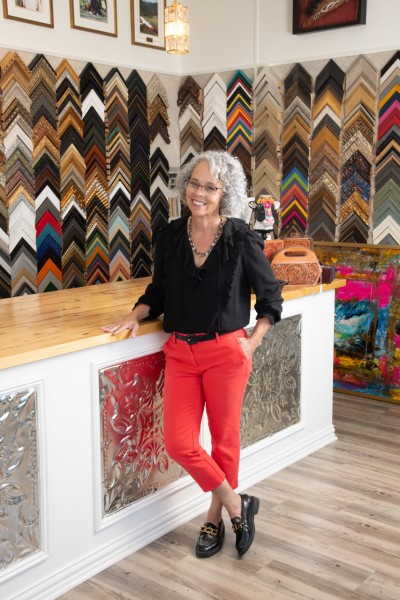
A certified picture framer is a professional who has passed a proctored certification exam proving they know how to design, mount, and protect art and treasured objects so those pieces last for years. At Tricia's Rose City Framing in Tyler, Texas, that credential shapes every decision we make — from the way we handle a photograph to how we build a shadow box around a three-dimensional keepsake. The Certified Picture Framer (CPF) designation isn't a weekend course; it's an earned credential backed by study and testing. And our shop happens to be one of the few in East Texas with two Certified Picture Framers on staff.
1. What the "Certified Picture Framer" Credential Actually Means
The CPF credential comes from the Professional Picture Framers Association, and it tells you the person handling your piece has studied the craft and passed a proctored exam to prove it. It's a way of separating true framing knowledge from guesswork. When you walk into a shop and see a CPF on the team, you're looking at someone who has been tested on the materials, the mechanics, and the preservation science behind a well-built frame.
What makes it meaningful is that framing blends two kinds of thinking. There's the creative side — color, proportion, how a mat and frame flatter the art — and there's the analytical side, the part that keeps your piece safe and square and stable over time. Certification confirms a framer understands both.
- It's earned by passing a proctored certification exam, not by clocking hours alone.
- It covers materials, mounting methods, glazing, and preservation principles.
- It signals a commitment to doing the work the right way, every single time.
Pro Tip: When you're choosing where to bring something you love, ask whether anyone on the team holds the CPF credential. You can learn more about it directly from the Professional Picture Framers Association.
2. The Everyday Judgment Calls a CPF Makes for Your Piece
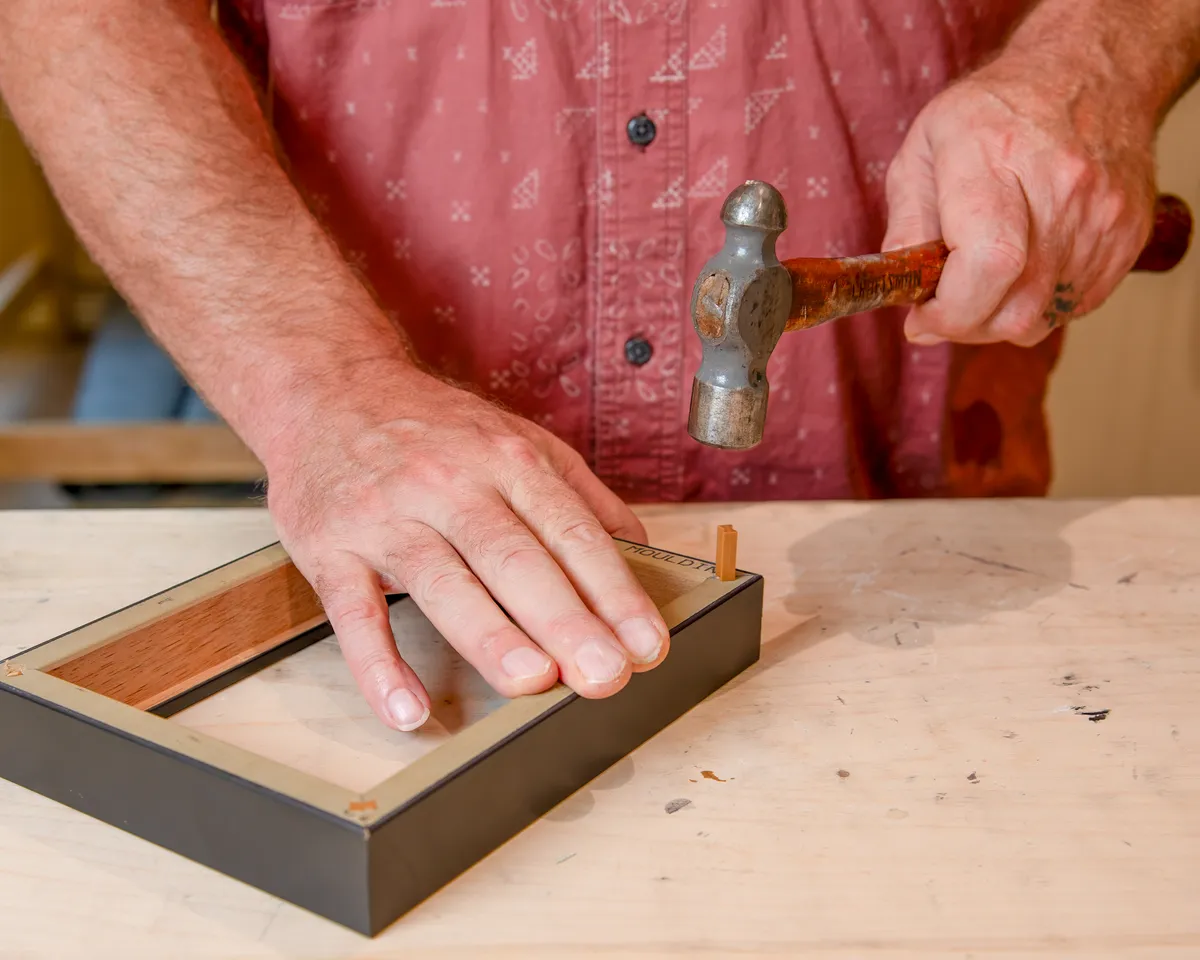
A certified picture framer spends the day making small decisions that protect your art — choosing the right mounting method, selecting glazing, and deciding how a piece should be supported. Most of these calls happen quietly, before you ever see the finished frame. They're the difference between a frame that simply holds your piece and one that genuinely cares for it.
Take mounting. A paper document, a textile, and a heavy three-dimensional object each need a completely different approach. A trained framer knows when a piece should "float," when it should be hinged with archival materials, and when it should never be permanently fixed down at all. Those choices come from training, not a hunch.
- Reading the piece first: paper, fabric, vellum, or object — each one is handled differently.
- Choosing glazing that fits the piece and the room it's going into.
- Building support so a heavier or dimensional item stays stable over time.
Pro Tip: When you bring something in, tell us how old it is and what it's made of. Those two details shape nearly every decision that follows.
3. Preservation: The Part You Don't See But Always Benefit From
The most important work a certified picture framer does is preservation — using archival, reversible materials and techniques so your piece stays safe behind the glass for the long haul. This is the quiet science underneath beautiful framing, and it's exactly what the CPF exam tests for. A frame can look lovely and still fail your piece if the materials inside it aren't right.
We've framed century-old documents, delicate vellum, textiles, and three-dimensional objects, and each one taught us the same lesson: what touches the art matters as much as what surrounds it. Acid-free matting, proper spacing between art and glass, and reversible mounting all give a treasured piece its best shot at staying beautiful for the next generation.
- Archival, acid-free materials protect the piece from the inside out.
- Reversible mounting means the piece can be safely removed later if needed.
- Proper spacing and glazing guard against light and contact over time.
Pro Tip: If a piece is irreplaceable, mention that right away. "Reversible" and "archival" should be part of the conversation from the very first minute.
4. Design and Collaboration: Framing by Committee
A certified picture framer also designs — pairing the right mat colors, frame style, and proportions to your piece, your home, and your personality. We call the trickier projects "framing by committee," because our whole team weighs in, and clients have a say in everything. You're not handed a finished product; you help shape it.
This is where the creative side really shines. The frame should feel like it belongs to you — your walls, your decor, the story the piece carries. A great framer listens first. When someone brings in a grandchild's painting or a piece picked up on their travels, that story guides the design just as much as the dimensions do.
- You choose mat colors and frame style alongside our team.
- Complex projects get solved together — what we don't know, we'll research.
- The goal is a finished piece that reflects you, not a template.
Pro Tip: Bring a photo of the room where the piece will hang. Seeing the wall color and light helps us get the mat and frame exactly right.
5. Problem-Solving the Unusual and the Irreplaceable
A certified picture framer handles the hard stuff — oversized pieces, fragile antiques, textiles, and odd three-dimensional objects that don't fit a standard frame. This is where training really earns its keep. We've worked on pieces from one inch square all the way up to eleven feet, and each extreme comes with its own set of problems to solve.
Our shop has framed a 2,000-year-old Roman tear bottle, a great-grandmother's embroidered jeans in a double-sided frame, a 79"x76" heirloom family quilt, and a vintage vellum blueprint mounted with magnets. Every one of those required a method we had to think through carefully — and when something stretches beyond what we know, we're never too proud to consult our framer mentors. That humility is part of the craft, too.
- Oversized and under-sized pieces each need custom engineering.
- Three-dimensional objects require shadow boxes built to hold them safely.
- When a piece is truly unusual, research and teamwork come first.
Pro Tip: Think your piece is "unframeable"? Bring it by anyway. Odd shapes and fragile heirlooms are some of our favorite puzzles to solve.
What I've Learned About Framing After Years in the Field
After years at the work table — and a shop back in Ohio long before Texas — the biggest thing I've learned is that framing is a craft that rewards both patience and curiosity. I'm not an artist, and I'll tell you that plainly. But I'm creative, and framing takes an analytical mind and a creative one working together. The certification didn't make me love the work; it gave structure and proof to something I'd already fallen for.
What truly changed how we run our shop is the belief that every treasure has a story. When someone hands me a photograph or a family heirloom, I want to hear where it came from. That story isn't a nicety — it shapes the design, the materials, and the care we give it. You can read more about how we approach every piece over at Tricia's Rose City Framing.
"Framing by committee" is the other piece of it. We're a team of framers here in Tyler, and we lean on each other — plus three outside mentors — for the toughest jobs. What we don't know, we'll research. There's no ego in that; there's only the goal of a job well done.
That's really the heart of being certified: it's a promise to treat your piece with the same care we'd give our own, every single time.
How Tricia's Rose City Framing Helps You See Craftsmanship Up Close
If you've never thought much about what goes into a custom frame, we'd love to show you. At Tricia's Rose City Framing in Tyler, Texas, we're a full-service custom frame shop, and with two Certified Picture Framers on our team, you're working with people who've studied and been tested in this craft. Whether it's a cherished photo, a piece of fine art, a textile, or an object that doesn't fit any standard frame, we handle it with training, care, and genuine curiosity about your story.
Come watch the process up close. Bring the thing you can't wait to show someone — the piece you'd stay an hour talking about — and let's design it together. You'll have a say in every mat color and frame style, and you'll leave knowing exactly why each choice was made.
Stop by our shop at 214 Shelley Dr, Tyler, Texas, give us a call at (903) 360-7004, or visit Tricia's Rose City Framing to start a project. Love you. Have a great day.
FAQ
What does a certified picture framer do?
A certified picture framer designs, mounts, preserves, and protects art and treasured objects using archival materials and methods proven through a proctored certification exam. At Tricia's Rose City Framing in Tyler, Texas, that training guides how we handle everything from photographs to century-old documents and three-dimensional keepsakes.
What is a CPF certification in picture framing?
A CPF, or Certified Picture Framer, is a credential from the Professional Picture Framers Association earned by passing a proctored exam on framing materials, mounting, and preservation. It tells you the framer has been tested on the real science and craft behind a well-built frame, not just the decorative side.
Why should I use a certified picture framer instead of framing it myself?
You should use a certified picture framer when a piece is meaningful, valuable, fragile, or irreplaceable, because the right archival and reversible methods protect it for the long haul. At Tricia's Rose City Framing in Tyler, Texas, we're happy to help with the pieces that carry a real story behind them.
What kinds of items can a certified picture framer frame?
A certified picture framer can frame nearly anything — photographs, fine art, textiles, documents, vellum, and three-dimensional objects — from tiny pieces to oversized ones. Our shop has worked on pieces from one inch square up to eleven feet, including shadow boxes, heirloom quilts, and delicate antiques.
How do I know if a frame shop has a certified picture framer?
You can simply ask the shop whether anyone on the team holds the CPF credential from the Professional Picture Framers Association. Tricia's Rose City Framing in Tyler, Texas is one of the few shops in East Texas with two Certified Picture Framers on staff.